

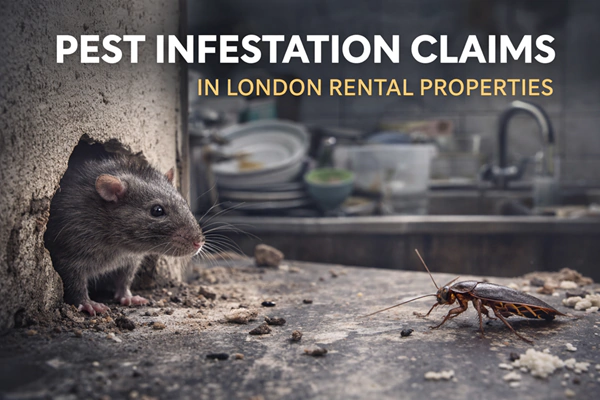
Living with a pest infestation is not just unpleasant. For many tenants in London, it affects sleep, hygiene, and a basic sense of safety in their own home. Rodents in kitchens, insects in bedrooms, or recurring infestations that are never properly dealt with can quickly turn everyday living into a source of stress and embarrassment.
Pest problems are often treated as minor or temporary. In reality, when infestations persist, they can raise serious questions about whether a property is fit to live in and whether a landlord has met their legal responsibilities.
Common pest infestations in London rental homes
London’s density, older housing stock, and shared buildings make pest problems more common than many tenants expect. Infestations are particularly frequent in converted flats, basement properties, and buildings with poor waste management.
Tenants regularly report issues involving:
- Rats and mice entering through damaged walls, drains, or gaps around pipes
- Cockroaches in kitchens and bathrooms, often linked to damp or poor sanitation
- Bed bugs spreading between flats in shared buildings
- Ant infestations caused by structural gaps or persistent moisture
Rarely are these problems isolated. Where pests are present, there is often an underlying issue that allows them to enter or survive in the property.
The health and wellbeing impact of pest infestations
Pest infestations can affect both physical and mental health. Rodents and insects can contaminate food and surfaces, increasing the risk of illness. Droppings, urine, and insect debris can also trigger allergies or respiratory problems.
The emotional impact is often underestimated. Many tenants feel anxious, distressed, or ashamed about living conditions they cannot control. Sleep disruption is common, particularly where pests are active at night. Families with children may worry constantly about hygiene and safety.
Over time, living in these conditions can affect concentration, work, and overall wellbeing, especially when complaints go unanswered.
When do pest infestations become a landlords responsibility?
Not every pest problem automatically falls to the landlord. Responsibility usually depends on the cause of the infestation and the condition of the property.
Where pests are present because of structural defects, poor maintenance, or issues affecting multiple flats, landlords are often responsible for resolving the problem. This includes arranging proper pest control and addressing the underlying cause, not just temporary treatment.
Generally, tenants expect landlords to take action once they become aware of the issue. Repeated infestations, ineffective treatments, or long delays can indicate a failure to meet legal obligations.
What tenants are expected to report and document
Tenants play an important role in pest infestation cases. Reporting problems early and keeping records can make a significant difference if the situation escalates.
Useful steps include:
- Reporting the infestation in writing as soon as it is discovered
- Keeping copies of emails, messages, or repair requests
- Taking photographs or videos showing signs of pests or damage
- Noting dates of pest control visits and whether treatment was effective
This evidence shows the problem’s scope and how it has been dealt with over time.
Compensation and rent reduction in pest infestation claims
Compensation in pest infestation claims reflects how the infestation affected the tenant’s use and enjoyment of the property. If the infestation rendered rooms unusable or significantly disrupted living conditions, the affected period may warrant a rent reduction.
Claims may also take into account any health problems, stress, or trouble that the infestation caused. In some cases, compensation can include damage to belongings or additional costs incurred as a result of the problem.
The length of time the infestation persisted and how the landlord responded are key factors in assessing compensation.
Why pest infestations are often mishandled
One reason pest problems escalate is that they are sometimes treated as isolated incidents rather than symptoms of a wider issue. Temporary treatments may reduce visible pests but fail to address entry points, waste management, or structural defects.
In shared buildings, responsibility can also be unclear. Managing agents, freeholders, and individual landlords may pass responsibility between one another, leaving tenants stuck in the middle.
Where infestations recur despite repeated reports, such instances can indicate a broader failure to manage the property properly.
How Marley Solicitors help with pest infestation claims
Marley Solicitors support tenants across London who are dealing with unresolved pest infestations. Their role is to assess whether a landlord has failed to take reasonable steps to address the problem and whether the property has been left in an unfit condition.
By reviewing evidence, repair histories, and the wider condition of the building, they can advise whether a claim may be appropriate and what outcomes may be achievable. The focus is on practical solutions as well as compensation where justified.
Taking action without escalating conflict
Many tenants delay seeking advice because they worry about damaging their relationship with a landlord or managing agent. In reality, asking for clarity on rights does not automatically mean confrontation.
Understanding whether an infestation should have been properly resolved can help tenants decide what steps to take next. For some, that knowledge alone provides reassurance and a way forward.
Restoring safe and livable conditions
Living with pests is not something tenants should have to accept as normal. If infestations continue and landlords do not take action, it could indicate a breach of their legal obligations.
Gaining advice can help tenants understand where responsibility lies and what options are available to restore safe, reasonable living conditions in their home.