

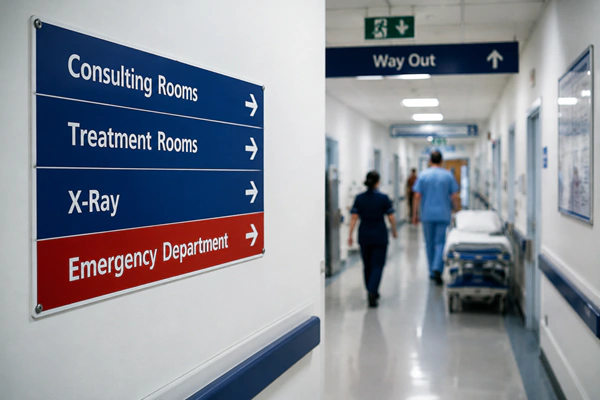
Most people enter a hospital or clinic expecting care to improve them, not worse. In London, where healthcare services are stretched and complex, mistakes can and do happen. When those mistakes cause avoidable harm, the consequences can be serious, long-lasting, and deeply distressing.
Medical negligence claims are not about blaming individual professionals for every poor outcome. They focus on situations where care fell below an acceptable standard and that failure directly caused injury or worsening health. Understanding that distinction is important for anyone trying to make sense of what has happened to them.
What medical negligence means in real terms
Medical negligence occurs when a healthcare provider fails to deliver the standard of care that a reasonably competent professional would have provided in the same situation. This failure must then result in harm that could have been avoided.
Not all medical complications fall under the category of negligence; some treatments carry known risks, even when carried out correctly. Errors, missed warning signs, or unwarranted system failures constitute negligence.
In practice, many people only realise something went wrong when their condition deteriorates, treatment is delayed, or recovery does not follow the expected path.
Common examples of medical negligence in London
Medical negligence can occur across a wide range of settings, from NHS hospitals to private clinics and GP practices. While every case is different, certain issues appear repeatedly in London claims.
These include delayed or missed diagnoses, surgical errors, failures to act on test results, and poor post-operative care. In some cases, communication breakdowns between departments or professionals contribute to harm.
Overcrowding, staff shortages, and reliance on temporary staff can increase risk, but they do not remove a provider’s responsibility to deliver safe care.
How negligence affects patients and families
The impact of medical negligence often extends far beyond the initial injury. Patients may require further treatment, corrective surgery, or prolonged rehabilitation. Permanent health problems affect daily life for some patients.
Families often experience the same effects. Loved ones may take on caring responsibilities, manage appointments, or deal with financial pressure caused by time off work. Damaged trust in healthcare often leads to anxiety about future treatment.
For many people, the most difficult part is uncertainty. They may know something went wrong but struggle to understand why or whether it could have been avoided.
Proving negligence rather than a poor outcome
Establishing that substandard care caused harm, rather than just an unfortunate outcome, is a key challenge in medical negligence claims.
This usually involves comparing what actually happened with what should reasonably have happened. Independent medical experts play a central role in this process, reviewing records and explaining whether care fell below acceptable standards.
Causation is equally important. It must be shown that the negligence directly caused the injury or made the outcome worse. This step is often complex, particularly where a patient already had underlying health issues.
Where medical negligence claims commonly arise
Medical negligence can occur at different stages of care. Claims often relate to failures in assessment, diagnosis, treatment, or follow-up.
Common scenarios include:
- Misdiagnosis or delayed diagnosis of serious conditions
- Surgical mistakes or incorrect procedures
- Delayed treatment despite clear warning signs
- Medication errors or incorrect prescribing
- Failures in post-operative monitoring or discharge planning
This range of scenarios highlights why medical negligence claims are assessed carefully and individually.
Compensation and future care considerations
Compensation in medical negligence claims is intended to reflect the full impact of the harm caused. This may include pain and suffering, additional medical treatment, and rehabilitation costs.
Where negligence affects a person’s ability to work, compensation can also take account of lost income and reduced future earning capacity. In more serious cases, ongoing care, support, or specialist equipment may be required.
The long-term nature of some injuries means future needs must be assessed carefully. Underestimating these needs can leave patients without adequate support later on.
Why early advice matters in medical negligence cases
Medical negligence claims are evidence-heavy and time-sensitive. Medical records, test results, and treatment notes play a central role in understanding what went wrong.
Seeking advice early can help preserve important records and ensure that appropriate expert opinions are obtained. Additionally, it can clarify the likelihood of a successful claim, empowering individuals to make well-informed choices instead of relying solely on uncertainty.
How does Marley Solicitors manage medical negligence claims?
Marley Solicitors provides legal representation to clients in London who have suffered from medical negligence. Their approach is careful and methodical, focusing on evidence, expert analysis, and the real impact on the individual’s life.
Rather than rushing claims forward, they work to build a clear picture of what happened, whether standards were breached, and how the harm has affected the client now and in the future. This approach helps ensure that claims are grounded, proportionate, and properly supported.
Taking the next step after suspected negligence
Many people hesitate before seeking advice about medical negligence. They may worry about challenging healthcare providers or feel unsure whether what happened was truly avoidable.
Asking questions does not mean assigning blame. It can simply be a way to understand what went wrong and whether the care received met acceptable standards. For many, that understanding is an important step toward closure and recovery.