

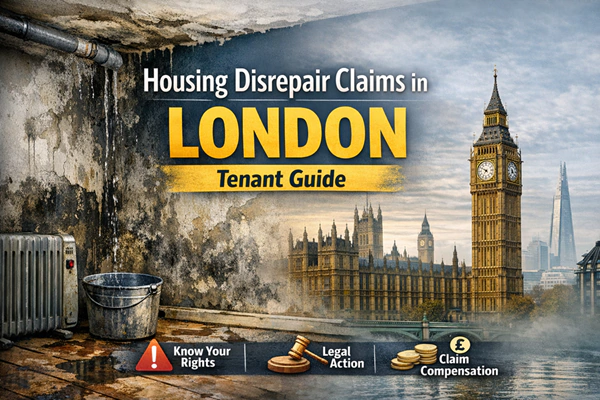
Living in a rented property in London should mean having a safe, secure place to call home. In reality, many tenants live with ongoing disrepair for months or even years. Leaks that are never fixed, broken heating systems, unsafe electrics, or structural problems can turn a home into a source of daily stress rather than comfort.
Housing disrepair usually involves ongoing issues. More often, it is about problems that are reported repeatedly but left unresolved. Over time, those conditions can affect health, wellbeing, and quality of life. When landlords fail to meet their responsibilities, tenants may be entitled to take legal action.
What counts as housing disrepair in practice
Housing disrepair covers a wide range of issues that affect the safety or habitability of a property. Some common problems in rental homes in London are water leaks that don’t go away, roofs or windows that are broken, wiring that doesn’t work, boilers that are broken, and stairs or floors that are dangerous.
Structural defects are also common in older London properties, particularly where maintenance has been deferred for long periods. If the property becomes unsafe or unfit for living, disrepair may encompass cracks in walls, unstable ceilings, and damp penetration.
Disrepair is not limited to visible damage. Problems such as inadequate heating, poor ventilation, or ongoing plumbing faults can be just as serious, even if they are less obvious at first glance.
Why housing disrepair is common in London properties
London’s housing stock presents particular difficulties. Many rental properties are old, converted, or poorly insulated, which increases the risk of defects developing over time. High demand for housing can also mean tenants feel pressured to accept poor conditions or fear retaliation if they complain.
In some cases, landlords own multiple properties and rely on managing agents to deal with repairs. Communication breaks down, reports are ignored, or repairs are delayed indefinitely. Council and housing association properties can face similar issues, particularly where maintenance backlogs exist.
Financial considerations can also play a role. Landlords may delay repairs to reduce costs, even when the problem is getting worse. For tenants, the outcome often means living with unsafe or uncomfortable conditions far longer than they should.
How housing disrepair affects health and daily life
Living with disrepair can have a significant impact on physical and mental health. Cold homes caused by broken heating systems can aggravate respiratory conditions and increase the risk of illness. Damp conditions may lead to persistent coughing, allergies, or infections.
Underestimating the stress of ongoing disrepair is crucial. Constantly chasing repairs, worrying about safety, or feeling ignored can affect sleep, concentration, and mental wellbeing. Families with children may feel particularly anxious about the impact on their home environment.
The disruption also affects everyday life. Leaks can cause damage to belongings, faulty electrics can restrict room usage, and broken facilities can render parts of the home unusable. Over time, these disruptions add up.
Landlord responsibilities under the law
Landlords have a legal duty to keep rental properties in a reasonable state of repair. This includes maintaining the structure of the building, ensuring installations for heating, water, gas, and electricity are safe and working properly, and addressing hazards that could put tenants at risk.
Tenants are generally expected to report problems when they arise. Once a landlord has been notified, they should carry out repairs within a reasonable time. The severity of the issue determines what is reasonable, but we should not ignore urgent hazards.
Where landlords fail to act, tenants may have grounds to bring a housing disrepair claim. This applies across private rentals, council housing, and housing association properties.
When a tenant may be entitled to compensation
Compensation in housing disrepair claims reflects the impact the conditions have had on the tenant’s life. The tenant may receive a reduction in rent during the affected period, especially if the rooms were unusable or the conditions were unsafe.
Claims may also consider inconvenience, distress, and any health issues linked to the disrepair. In some cases, compensation can include the cost of damaged belongings or additional expenses caused by the poor condition of the property.
Each claim is assessed on its facts. The length of time the disrepair persisted, how serious it was, and how the landlord responded are all relevant factors.
Evidence tenants should keep
Evidence plays a central role in housing disrepair claims. We advise tenants to maintain records of when they first noticed problems and when they reported them to the landlord or managing agent.
Photographs and videos showing the condition of the property can be very helpful, particularly if taken over time to show deterioration. Copies of emails, messages, or repair requests provide a clear timeline of communication.
Medical records may also be relevant if the disrepair has affected health. Together, this evidence helps demonstrate both the existence of the problem and the landlord’s failure to resolve it.
How Marley Solicitors help with housing disrepair claims
Marley Solicitors support tenants across London who are dealing with unresolved housing disrepair. Their role is to assess the situation carefully, identify whether a landlord has failed in their duties, and advise on the most appropriate course of action.
The focus is not just on legal rights but on achieving practical outcomes. This may include securing necessary repairs, addressing unsafe conditions, and pursuing compensation where appropriate. Each case is handled with an understanding of how disruptive housing disrepair can be to everyday life.
Taking the next step
Living with housing disrepair can feel exhausting and isolating, particularly when complaints go unanswered. Seeking legal advice does not mean escalating conflict unnecessarily. It can simply provide clarity on your rights and options.
If a landlord has failed to address serious disrepair, understanding where you stand legally can be the first