

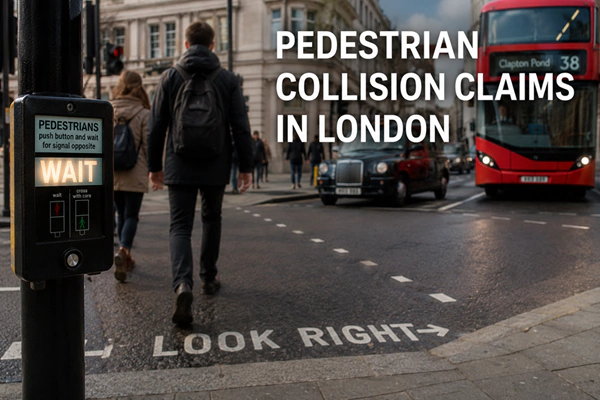
Most people walk through London assuming a basic level of safety. Crossing the road, stepping off a bus, or walking through a junction are routine parts of daily life. When a vehicle hits a pedestrian, the shock is often immediate and disorienting, precisely because it occurs during something so ordinary.
Pedestrians have no protection in a collision. Even at relatively low speeds, the force involved can cause serious injury. The consequences often extend beyond mere physical harm for the affected individuals. The impact can shake confidence, independence, and a sense of safety.
Where pedestrian accidents commonly occur
Pedestrian collisions in London tend to happen in busy, high-pressure environments. Junctions pose a common risk, especially when vehicles are turning and drivers prioritise traffic flow over pedestrian crossings.
Crossings also feature heavily in claims. Accidents may occur when drivers fail to stop, misjudge speed, or become distracted. In some areas, road design contributes to confusion, with unclear markings or poor visibility making it harder for both drivers and pedestrians to judge who has priority.
Pedestrian injuries also occur in residential streets and car parks. Even at lower speeds, these incidents can still lead to fractures, head injuries, or internal damage. Drivers may not expect pedestrians to be crossing, particularly in shared spaces.
The injuries pedestrians often suffer
Pedestrians involved in collisions can suffer a wide range of injuries. Head injuries are common, particularly where the person is thrown onto the road or strikes the vehicle. Fractures to the legs, arms, or pelvis often occur as the body absorbs the impact.
Lower limb injuries are especially frequent, as the legs are often the first point of contact. Knee, ankle, and hip injuries can significantly affect mobility, sometimes requiring surgery or prolonged rehabilitation.
Recovery is not always straightforward. Even injuries described as moderate can lead to lasting pain, stiffness, or reduced confidence when walking outdoors. For some people, the impact is far greater, resulting in long-term disability or loss of independence.
How liability is assessed in pedestrian collisions
Liability in pedestrian collision claims depends on the specific circumstances of the incident. Drivers have a duty to drive with care, observe the road, and anticipate pedestrians, particularly in built-up areas where foot traffic is expected.
However, these cases are rarely straightforward. Factors such as traffic signals, road layout, vehicle speed, lighting conditions, and pedestrian movement are all relevant. In some situations, responsibility may be shared, but such an event does not automatically prevent a claim.
Establishing what actually happened often requires careful analysis of evidence rather than assumptions based on where the collision occurred or who was crossing.
Evidence that can support a pedestrian collision claim
Evidence is particularly important in pedestrian collision cases, as events happen quickly and accounts may differ.
Useful evidence may include:
- CCTV footage from nearby buildings, shops, or traffic cameras
- Dashcam recordings from vehicles in the area
- Witness statements from other pedestrians, passengers, or drivers
- Photographs of the scene, road markings, lighting, and signage
Medical records and police reports then help link the collision to the injuries sustained and provide an objective account of what followed.
The effect on confidence and everyday movement
One of the most overlooked consequences of a pedestrian collision is the impact on confidence. Many people report feeling anxious about crossing roads or walking near traffic after an accident.
Journeys that were once automatic may start to feel stressful. People may avoid certain routes, crossings, or times of day. These feelings can affect commuting, social life, and overall independence, particularly in a city where walking is a key part of daily travel.
For some, these effects fade as physical recovery progresses. Others experience anxiety and self-doubt long after obvious wounds have healed.
Time off work and practical disruption
Pedestrian collisions often result in time away from work, especially where injuries affect mobility or concentration. Standing for long periods, commuting, or carrying out physical tasks may become difficult or impossible for a time.
Even short absences can cause financial strain, particularly for those who are self-employed or in roles without generous sick pay. On-going medical appointments and rehabilitation can add further disruption.
These practical consequences are an important part of understanding the full impact of a pedestrian collision.
Compensation considerations in pedestrian collision claims
Compensation in pedestrian collision claims is intended to reflect both physical injury and wider disruption to daily life. This may include medical treatment, physiotherapy, and rehabilitation costs.
Where injuries affect a person’s ability to work, compensation can also take account of lost income and any impact on future earning capacity. Pain, suffering, and loss of amenity are also considered, particularly where injuries affect independence or confidence.
Each claim is assessed individually, taking into account the nature of the injuries and how recovery affects the person’s life over time.
How Marley Solicitors support injured pedestrians
Marley Solicitors represent pedestrians injured on London roads and understand how vulnerable people are in these situations. Their focus is on establishing clear liability through evidence, not assumptions.
By carefully reviewing accident circumstances, medical records, and supporting evidence, they aim to ensure that claims reflect what actually happened and the full impact of the injuries sustained.
Moving forward after a pedestrian accident
After a pedestrian collision, it is common to feel unsettled and unsure about next steps. The experience can make even simple things like walking through the city hard to explain.
Seeking advice does not require certainty. It can simply help clarify rights and options, allowing injured pedestrians to focus on recovery without added uncertainty about what comes next.