

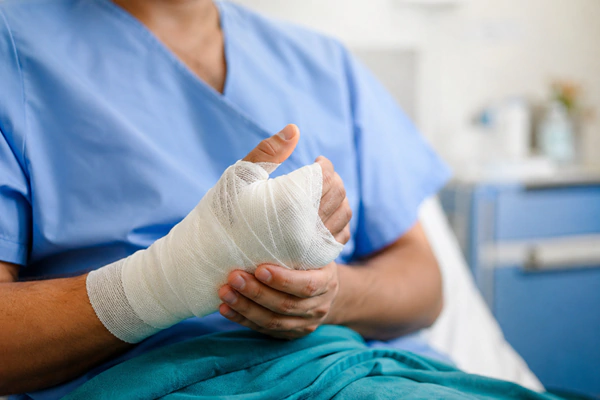
Burn injuries tend to be talked about as emergencies. What often gets missed is what happens afterwards. In London, people suffer serious burns in all sorts of situations, at work, in rented homes, through faulty products, or because basic safety measures were missing. The injury itself may happen in seconds, but the effects usually last far longer.
Many people experience a non-linear recovery process. Pain, treatment, and adjustment can stretch on for months or years. It is often during that longer period that the true impact of a burn injury becomes clear.
How severe burns commonly occur in London
Burn injuries in London arise from a wide range of everyday environments. Workplaces are a common setting, particularly where heat, chemicals, or electricity are involved. Construction sites, commercial kitchens, factories, and warehouses all carry risks when safety controls fail or equipment is not properly maintained.
Fires in residential properties are another frequent cause. Faulty wiring, unsafe appliances, and poor fire safety standards in rented accommodation can quickly turn a small incident into a serious injury. Consumer products that overheat or ignite without warning can sometimes cause burns.
Chemical burns also occur, sometimes through workplace exposure, but also in domestic settings where hazardous substances are not stored or handled safely. Scalds from hot liquids or steam remain a common cause, particularly in busy working environments.
Early treatment and the reality of recovery
Serious burns require immediate medical care. Initial treatment often focuses on stabilising the injury, preventing infections, and managing pain. For more severe cases, specialist burns units, surgery, or skin grafts may be needed.
The early stages of recovery can be physically and emotionally draining. Dressings, hospital visits, and limited mobility quickly become part of daily life. Even when wounds begin to heal, complications can arise, and progress may feel slow.
At this point, most people are focused on getting through each day. Often, the long-term consequences are not immediately apparent.
Scarring and lasting physical effects
As burns heal, scarring becomes a major issue for many people. Scar tissue can tighten over time, restricting movement and causing discomfort, particularly where joints or large areas of skin are affected.
Some people experience on-going sensitivity, pain, or reduced flexibility. Others require further treatment to manage scar development or improve function. These physical effects can change over time, meaning recovery does not always end when the skin has healed.
Visible scarring can also affect confidence. Even when burns are not easily seen, they may still interfere with posture, movement, or comfort in ways that affect everyday life.
The psychological impact of burn injuries
Burn injuries can leave a lasting psychological imprint. Many people experience anxiety, low mood, or intrusive memories linked to the incident that caused the injury. Fires and sudden accidents are particularly associated with trauma symptoms.
Changes in appearance can also be difficult to process. Some people feel self-conscious in public or worry about how others perceive them. These feelings are not always discussed openly, but they can have a real impact on social life and relationships.
Emotional recovery often continues long after physical healing has progressed. Support may be needed to help individuals adapt to changes and regain confidence.
Rehabilitation and longer-term treatment needs
Rehabilitation following a severe burn is typically long-term. Physiotherapy is often required to maintain movement and reduce stiffness. Occupational therapy may help people adapt how they carry out daily tasks or return to work safely.
In some cases, further procedures are needed months or years later. These may involve reconstructive or cosmetic surgery, but they are not purely about appearance. They often play an important role in restoring function and comfort.
Because recovery evolves over time, it can be difficult to assess the full impact of a burn injury early on. This is why long-term needs are such an important part of these claims.
Compensation in severe burn injury claims
Compensation in burn injury claims is intended to reflect both immediate harm and on-going consequences. This can include the cost of medical treatment, rehabilitation, and any future procedures that may be required.
Where burns affect a person’s ability to work, compensation may also account for loss of earnings and reduced earning capacity. Psychological effects and changes to quality of life are also relevant, particularly where scarring or trauma has had a lasting impact.
Every case depends on its individual circumstances, including the severity of the burns and how recovery progresses over time.
Why specialist evidence matters in burn claims
Burn injury claims rely on specialist medical evidence to explain the extent of the injury and what recovery is likely to involve. This may include input from burns specialists, surgeons, and rehabilitation professionals.
Psychological evidence can also be important where trauma, anxiety, or long-term emotional effects are present. Underestimating future needs can leave people without adequate support later on.
Accurate expert evidence helps ensure that claims reflect the full picture, not just the initial injury.
How Marley Solicitors support burn injury claims
Marley Solicitors support clients in London who have suffered serious burn injuries. Their focus is on understanding how the injury continues to affect the person’s life, rather than treating it as a one-off event.
By working with appropriate medical and rehabilitation experts, they aim to build claims that take long-term recovery into account. The emphasis is on careful preparation and ensuring future needs are properly considered.
Looking ahead after a burn injury
Living with the effects of a burn injury often involves adjustment as well as recovery. Needs can change over time, and progress is rarely linear.
Seeking advice can help people understand what support may be available and how their injury is likely to be viewed from a legal perspective. For many, having that clarity makes it easier to focus on recovery and moving forward.